
Why Is Excellent Customer Service Important for Car Dealerships?
In the competitive world of car dealerships, excellent customer service is not just a bonus—it’s a necessity. This blog will explore why top-notch customer service can set a dealership apart and drive success.
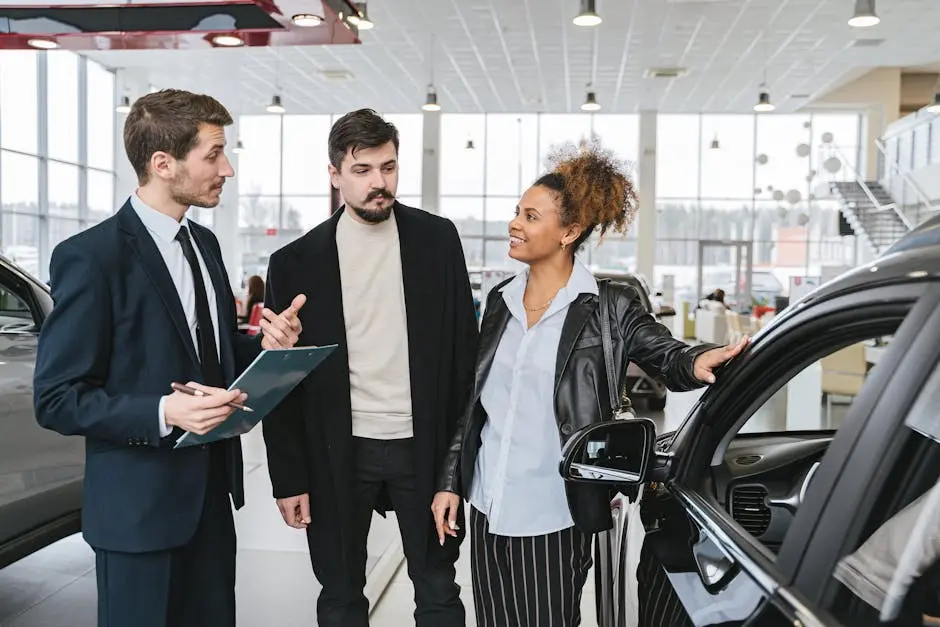
Step 1: Understanding Customer Expectations
Customers have certain expectations when visiting a car dealership, and understanding these can help improve service.
From knowledgeable sales staff to fair pricing, customers look for transparency and attentiveness. Knowing what your customers are looking for can help tailor the experience to meet their needs.
Additionally, timely service and a no-pressure environment can greatly enhance customer perception. When customers feel heard and valued, they are more likely to return.
It’s important to remember that meeting customer expectations is not just about the initial sale. After the purchase, customers want to see continued support and assistance, whether it’s answering questions or addressing concerns.
Step 2: Creating a Welcoming Environment
A friendly atmosphere can enhance customer experience and make them feel valued from the moment they walk in.
When customers feel welcomed, they are likely to stay longer and explore more options. Elements like a clean showroom, comfortable seating areas, and refreshments can go a long way in creating a positive impression.
Moreover, maintaining a warm and approachable demeanor among sales staff is essential. Genuine smiles and proactive greetings can set a pleasant tone for the visit.
Fostering an inviting spirit in the dealership also includes making sure that customers have all their questions answered without feeling rushed. This attention to detail can significantly improve the overall customer experience.
Step 3: Training Staff on Effective Communication
Training staff to communicate effectively can lead to better interactions and increased customer satisfaction.
Effective communication is about more than just talking; it’s about listening. Staff should be trained to actively listen to customer needs and respond appropriately.
This involves not only verbal skills but also non-verbal cues, such as maintaining eye contact and demonstrating confidence. When customers feel their concerns are addressed, trust is built.
Role-playing different scenarios may also prepare staff for real-life situations. By practicing responses to various customer queries or concerns, the team can become more adept at navigating challenging conversations seamlessly.
Step 4: Following Up After the Sale
Following up shows customers that the dealership cares about their experience, fostering loyalty and repeat business.
A simple thank-you call or message after the purchase can make a significant difference. It reinforces that the sale is not just a transaction but a step towards building a relationship.
Additionally, asking for feedback on their experience invites them to share their thoughts, showcasing that you value their opinion. This can pinpoint areas for improvement, allowing the dealership to grow.
Furthermore, follow-ups provide an opportunity to communicate future service offers or promotions. Keeping the lines of communication open helps nurture the customer relationship long after the paperwork is signed.
Building a Foundation for Success
Investing in customer service isn’t just about making a sale; it’s about building relationships and a loyal customer base. By focusing on exceptional service, car dealerships can thrive in a competitive marketplace.